Analysis System Icons: Graphics and Icons for Local Business
As a brand designer, I often seek out graphic design assets that can elevate a small business’s visual identity without overwhelming it. Analysis System Icons is one such set that offers a versatile toolkit for local businesses looking to create a cohesive and professional look across multiple touchpoints.
The First Impression: Minimalist and Modern
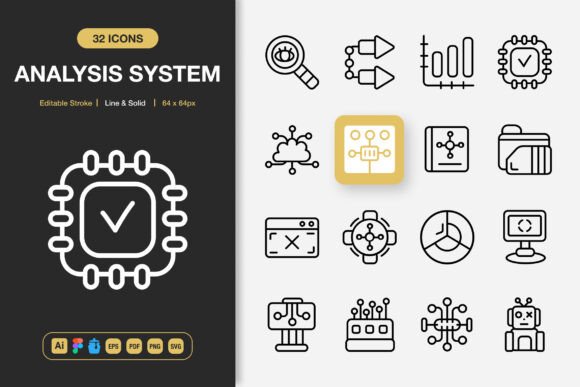
Upon first glance, the Analysis System Icons set exudes a clean, minimalist aesthetic. The icons are simple yet effective, making them ideal for brands that want to convey clarity and sophistication. This style suggests a modern, tech-savvy, and approachable brand personality—perfect for startups, artisanal businesses, or any local enterprise aiming to stand out in a crowded market.
The design feels both professional and friendly, which makes it suitable for a wide range of industries. Whether you're working with a bakery, a skincare brand, or a handmade soap business, these icons can help communicate your message without distracting from the main brand elements.
Real-World Applications for Small Business Branding
Analysis System Icons can be used in numerous real-world scenarios for local business branding. From logo design to product labels, these icons offer flexibility and consistency. For example, a coffee shop could use them in their packaging design, menu graphics, or social media graphics to reinforce a unified brand identity.
They also work well in product packaging, where visual hierarchy is key. A handmade soap business might use these icons on hang tags or thank-you cards to add a polished touch. In a boutique setting, they can serve as decorative elements that enhance the overall aesthetic of the store or online shop.
For a food business, these icons can be part of a product mockup or printable design, helping to showcase the product in a more engaging way. They’re also great for editorial design, such as flyers or posters, where a clean layout is essential for readability and impact.
Supporting Business Presentation and Customer Trust
One of the most valuable aspects of Analysis System Icons is how it supports stronger first impressions. A well-designed product label or packaging can make all the difference in attracting customers and building trust. These icons contribute to a more professional appearance, which is crucial for small businesses trying to compete with larger brands.
They also help in creating a clearer visual hierarchy. By using consistent iconography, a brand can guide the viewer’s eye through the design, making it easier for customers to understand the message or product offerings. This is especially important in packaging design, where every element must work together to communicate value and quality.
Additionally, these icons can improve customer trust by reinforcing a sense of professionalism and attention to detail. A boutique owner or a handmade seller can use them to create a more polished marketing visuals, whether for social media campaigns or in-store displays.
Where Analysis System Icons Shine
Analysis System Icons excel in situations where a subtle but impactful design is needed. They work best as product labels, packaging accents, or hero graphics that draw attention without overpowering the design. For seasonal campaigns or holiday packaging, these icons can add a festive touch while maintaining a cohesive brand identity.
They are also ideal for creative entrepreneurs who need a quick solution for social media graphics or website banners. Their minimalist style ensures they blend well with various fonts and color schemes, making them a versatile choice for any project.
When to Use Them Carefully
While Analysis System Icons are highly adaptable, there are certain situations where they may not be the best fit. For formal corporate branding, where simplicity is key, these icons might feel too busy or decorative. Similarly, in very small labels or crowded layouts, they could become distracting rather than helpful.
In areas where legal information or ingredient lists are required, it's best to avoid using these icons as they might interfere with readability. Low-contrast backgrounds or luxury minimalist brands may also find these icons too bold or intricate for their aesthetic.
Practical Designer Notes
Before finalizing any design, I always recommend testing the icons on real packaging mockups. This helps ensure they look good in print and maintain their clarity at different sizes. Checking black and white usage is also important, especially if the business plans to use the icons in a variety of formats.
It's also wise to preview the icons on small labels to see how they scale. Testing them with brand colors will help determine if they complement the existing palette or if adjustments are needed. Comparing them with competitor packaging can highlight unique opportunities for differentiation.
For digital projects, reviewing PNG transparency and inspecting SVG or vector editability is essential. These details affect how the icons can be used in different platforms, from Canva templates to web design projects. Ensuring commercial licensing is in place before using them for client work or physical product sales is another critical step.
Finally, experimenting with different font styles—such as serif, sans serif, script, or handwritten fonts—can reveal how the icons interact with text. This helps in creating a balanced and visually appealing design that resonates with the target audience.
Conclusion: A Versatile Asset for Local Business Success
Analysis System Icons is a powerful graphic design asset that can support small business branding, product packaging, and promotional visuals. Its minimalist design makes it adaptable to a wide range of industries, from food businesses to handmade sellers and creative entrepreneurs.
Whether used in packaging design, social media graphics, or product mockups, these icons help create a more professional and cohesive brand identity. With careful consideration and proper testing, they can significantly enhance the visual appeal and effectiveness of any local business project.