Origami Icons Review
As an embroidery designer and product reviewer, I often look for designs that are both versatile and visually striking. Origami Icons caught my attention with its minimalist approach and clean lines. This set of high-quality icons is perfect for a wide range of projects, from custom apparel to digital design assets. But how does it perform in real-life embroidery situations? Let’s dive into the details.
The First Impression
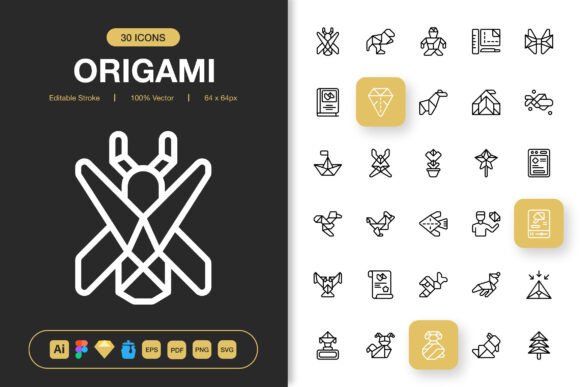
Upon first glance, Origami Icons exudes a calm, modern aesthetic. The shapes are simple yet intentional, with a focus on negative space and geometric balance. The design style feels timeless, making it suitable for everything from casual wear to professional branding. The icons have a subtle elegance that doesn’t overpower the fabric they’re stitched onto, which is a big plus for embroidery projects where subtlety matters.
The layout of the icons is well-organized, and the level of detail is just right—enough to be recognizable but not so intricate that it becomes difficult to stitch. This makes them ideal for machine embroidery designs that need to maintain clarity at various sizes.
Real-Life Embroidery Scenarios
I tested Origami Icons on a custom embroidered tote bag design for a client who wanted something fresh and modern. The icons looked great on a white cotton canvas, and the stitching came out crisp and clean. The design worked well for a casual, everyday item, but I also saw potential for more formal applications, like embroidered patches or nursery decor.
For a sweatshirt embroidery project, the icons added a nice touch without being too busy. They fit well within the overall design and didn’t require excessive stitch density, which is always a relief when working on larger garments. On baby clothes, the icons were subtle enough to be safe for little ones but still noticeable enough to add character.
When used on caps or hats, the icons maintained their shape and didn’t get distorted by the curved surface. However, I did notice that some of the finer details became slightly less defined when stitched onto stretchy fabrics. It’s something to keep in mind if you're planning to use these icons on activewear or other flexible materials.
Where to Use With Caution
While Origami Icons are versatile, there are a few areas where caution is advised. If you're working with small hoop sizes, some of the more intricate icons may not fit well. Similarly, on textured fabrics or thin, stretchy materials, the design might not come out as sharp as expected.
On dark fabrics, the contrast between the thread colors and the background can be an issue. I recommend testing the design with different thread colors before committing to a final project. For layered garments or curved surfaces, the icons may require some adjustment to ensure they sit correctly on the fabric.
Also, if you're planning to use these icons for detailed corners or tiny lettering, you may need to simplify the design or adjust the stitch density accordingly. These icons are best suited for decorative accents rather than text-heavy elements.
Impact on Visual Appeal and Value
Origami Icons add a polished, professional look to any finished product. Their minimalist nature allows them to blend seamlessly into a variety of design schemes, making them a valuable addition to any embroidery file library. Whether you're creating handmade products for your Etsy shop or designing commercial embroidery pieces, these icons can elevate the overall quality and appeal of your work.
From a customer perspective, the icons contribute to a sense of trust and craftsmanship. A well-designed embroidered item can make a big difference in how buyers perceive the value of your work. Origami Icons help reinforce that sense of quality, especially when used in personalized gifts or custom apparel.
They also support brand consistency, particularly for small businesses or craft entrepreneurs looking to maintain a cohesive visual identity across all their products. The clean, modern look of these icons makes them easy to integrate into a broader design system.
Practical Designer Notes
Before using Origami Icons in your own projects, I recommend testing the design on scrap fabric. This will give you a better idea of how the stitches look on your specific material. Checking thread color contrast is also important, especially if you're working with dark or patterned fabrics.
Review the stitch density to ensure it matches the requirements of your project. Some icons may need to be adjusted for smaller hoop sizes, and inspecting small details is crucial for maintaining clarity. Testing the design in black and white mockups can help you see how it looks without color distractions.
It's also a good idea to compare the design on light and dark fabric backgrounds to determine the best thread color options. Using the right stabilizer can prevent puckering or distortion, especially on delicate or stretchy materials. Make sure the design works for both personal and commercial projects, and always confirm the licensing terms before selling any finished items or digital products.
Final Thoughts
Origami Icons are a solid choice for embroidery designers, small business owners, and creative entrepreneurs looking for a versatile and stylish set of icons. Their minimalist design, clean lines, and adaptability make them suitable for a wide range of applications, from custom apparel to digital design assets.
While they aren’t perfect for every situation, they offer a great balance of simplicity and sophistication. With proper testing and consideration, Origami Icons can become a valuable part of your embroidery toolkit and help you create beautiful, professional-looking finished products.