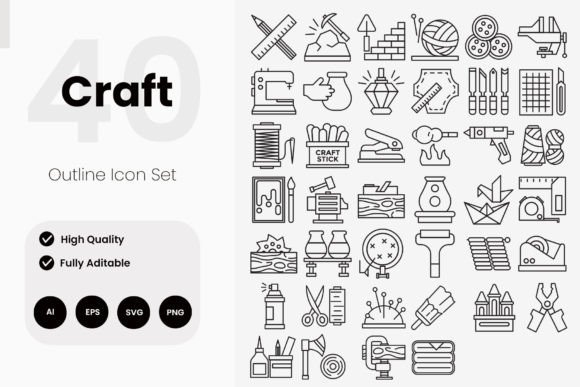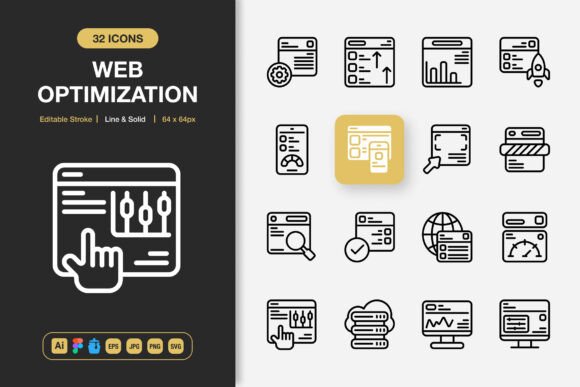
Web Optimization Icons
As a designer who’s spent years working with machine embroidery designs, I’ve come to value clarity, versatility, and practicality in every project. Web Optimization Icons caught my attention not just for their clean aesthetic, but for how they could seamlessly integrate into a wide range of real-world embroidery projects—from custom apparel to handmade gifts. Let me walk through how these icons perform in actual use and what to consider before incorporating them into your next design.
The First Impression: Minimalist, Functional, and Adaptable
Web Optimization Icons immediately convey a sense of modern simplicity. The shapes are clean, the lines are deliberate, and the overall theme feels professional without being overly complex. This makes them ideal for projects that require a polished look without overwhelming the viewer. Whether you're working on a tote bag design or a baby onesie, these icons have a visual personality that feels at home in both digital and physical formats.
The layout is well-structured, making it easy to identify each icon’s purpose. The detail level is just right—enough to be recognizable but not so intricate that it becomes a challenge to stitch. This balance is crucial for embroidery files, as too much detail can lead to stitching issues, especially on smaller hoop sizes or delicate fabrics.
Real-World Use: From Tote Bags to Holiday Gifts
I tested Web Optimization Icons on a few different projects, starting with a custom embroidered tote bag. The icons looked great on light-colored cotton, and the stitch density was manageable. They worked well as decorative accents on the front of the bag, adding a subtle touch of professionalism without overpowering the design.
When I tried them on a sweatshirt, the icons maintained their clarity even when stitched onto a thicker fabric. The satin stitch and fill stitch patterns held up well, and the overall appearance felt cohesive with the rest of the design. For a baby item, like a onesie, the icons were small enough to be unobtrusive but still visible, which is important for personalized gifts.
These icons also work well for embroidered patches, aprons, and pillow covers. Their minimalist style makes them adaptable to various color schemes and fabric types. Whether you’re creating a holiday-themed gift or a boutique product, Web Optimization Icons can fit into the design without needing major adjustments.
Where to Be Cautious: Fabric, Size, and Detail
While Web Optimization Icons are versatile, there are some scenarios where caution is needed. On small hoop sizes, the details can become less defined, especially if the design includes fine lines or tight corners. If you're working on a cap or a hat, the curvature of the surface might cause the design to appear slightly distorted unless the hoop is properly adjusted.
On textured or stretchy fabrics, the icons may not sit as smoothly as they do on flat, stable materials. Thin or dark fabrics can also affect visibility, depending on the thread colors used. It's always a good idea to test the design on scrap fabric before committing to a final project.
For projects that require frequent washing, such as kitchen towels or baby clothes, the durability of the stitches is important. Web Optimization Icons seem to hold up well, but using the right stabilizer and ensuring proper stitch density will help maintain the design’s integrity over time.
Impact on Visual Appeal and Customer Perception
Web Optimization Icons add a layer of sophistication to any embroidery project. They enhance the visual appeal of custom apparel, handmade products, and commercial items by offering a consistent, professional look. This can significantly boost the perceived value of your finished product, especially when selling on platforms like Etsy or at craft fairs.
From a customer perspective, these icons create a sense of trust and reliability. A well-designed, clean icon can make a personalized gift feel more thoughtful and high-quality. For small shop owners and crafters, this can translate into better engagement and repeat business.
Brand consistency is another key factor. Using a set of icons that align with your brand’s visual identity helps reinforce your message across different mediums—whether it’s a printed flyer, a digital mockup, or an embroidered patch.
Practical Designer Notes: Testing and Preparation
Before using Web Optimization Icons in a client project or a commercial design, I recommend doing a few key checks. Start by testing the design on scrap fabric to see how it looks in real life. Pay attention to how the thread colors contrast with the fabric and whether the stitch density is appropriate for the scale of the design.
Review the hoop size required for the design and ensure it matches your embroidery machine’s capabilities. Small details, like tiny lettering or intricate corners, should be inspected closely to avoid issues during the stitching process.
Test the icons in black and white mockups to see how they appear without color. Compare them against both light and dark fabric backgrounds to determine the best thread color options. Always use the right stabilizer for the fabric type, and confirm that the design is suitable for both personal and commercial use.
Finally, make sure to check the licensing terms before selling any finished items or digital products. Even though Web Optimization Icons are described as “suitable for any project,” it’s always wise to verify the specific terms to avoid any legal complications.
Conclusion: A Versatile Addition to Any Embroidery Kit
Web Optimization Icons offer a reliable, stylish solution for a variety of embroidery projects. Their minimalist design, adaptability, and clean execution make them a valuable asset for designers, small business owners, and crafters looking to elevate their work. With careful consideration of fabric type, hoop size, and stitch density, these icons can enhance the quality and professionalism of your finished products.